
See How Root Cause Health Supports Long-Term Wellness
Some concerns are about more than teeth alone. Root Cause Health focuses on the deeper patterns that can influence oral health, comfort, development, and function; including airway, myofunctional habits, and the way the mouth and jaw work together.
Sometimes patients come in with concerns that seem straightforward on the surface: tooth wear, bite changes, mouth breathing, clenching, crowding, or ongoing tension. The real story may be more complex.
Our Approach to Complete Health
We believe that better care starts with better understanding. That means taking the time to assess not only what is happening in the mouth, but also how breathing, muscle patterns, and function may be influencing the bigger picture.
Root Cause Health is about looking deeper. Instead of focusing only on the visible symptom, this approach asks what may be contributing underneath. That could include how a patient breathes, how the tongue and muscles function, how the jaws work together, or how oral habits may be shaping development over time.
At Dental Image Therapy Centres, this kind of care fits naturally with your larger
-
Healthy Muscle Patterns Matter
Myofunctional support focuses on how the muscles of the mouth, tongue, lips, and face work together. These patterns can affect swallowing, oral posture, tongue position, and the way the mouth develops and functions over time. When these habits are not working well, they may contribute to concerns involving alignment, function, or overall oral health.
At Dental Image Therapy Centres, myofunctional support is part of a broader, root-cause approach to care. We look at whether muscle habits and oral posture may be influencing current concerns and consider how healthier patterns can support better long-term outcomes. This section should feel educational, supportive, and grounded in personalized care.
-
Supporting Health Through Better Breathing
Airway health plays an important role in complete oral health. The way a person breathes can influence oral development, comfort, sleep quality, and how the mouth and jaw function over time. When breathing patterns are not ideal, they can sometimes be connected to concerns involving bite development, oral posture, or long-term function.
For us, airway-focused care is about taking a closer look when something does not seem quite right. Rather than treating symptoms in isolation, we consider whether breathing and airway patterns may be part of the bigger picture. Our goal is to help patients better understand these connections and support a healthier, more informed path forward.
-
Helping the Bite, Jaw, and Muscles Work Together Properly
Function refers to how the teeth, bite, jaw joints, and muscles work together in everyday life. When something is off, patients may notice tension, uneven wear, bite discomfort, clenching, or a feeling that their smile does not quite come together the way it should.
A function-focused approach looks beyond one visible symptom and asks how the whole system is working. At Dental Image Therapy Centres, this means taking a more complete view of the bite and oral structures so treatment can support not just appearance, but comfort, balance, and long-term stability. It reflects the same big-picture thinking in your brand materials: helping patients understand not just what is happening, but why.
-
An Important Part of Complete Oral Health
Cancer impacts life profoundly, demanding immense strength and shifting perspectives on mortality and resilience. Complete oral health includes more than the teeth and gums. Oral cancer screening is an important part of comprehensive dental care because it helps identify unusual changes in the soft tissues of the mouth, tongue, cheeks, throat, and surrounding areas.
For us, oral cancer screening reflects the same proactive philosophy that shapes the rest of your care. It is about paying attention early, looking beyond the obvious, and making sure your oral health is being assessed as thoroughly as possible. This kind of screening supports peace of mind and reinforces the value of regular, comprehensive dental visits.
-
Modern Technology for More Comfortable Care
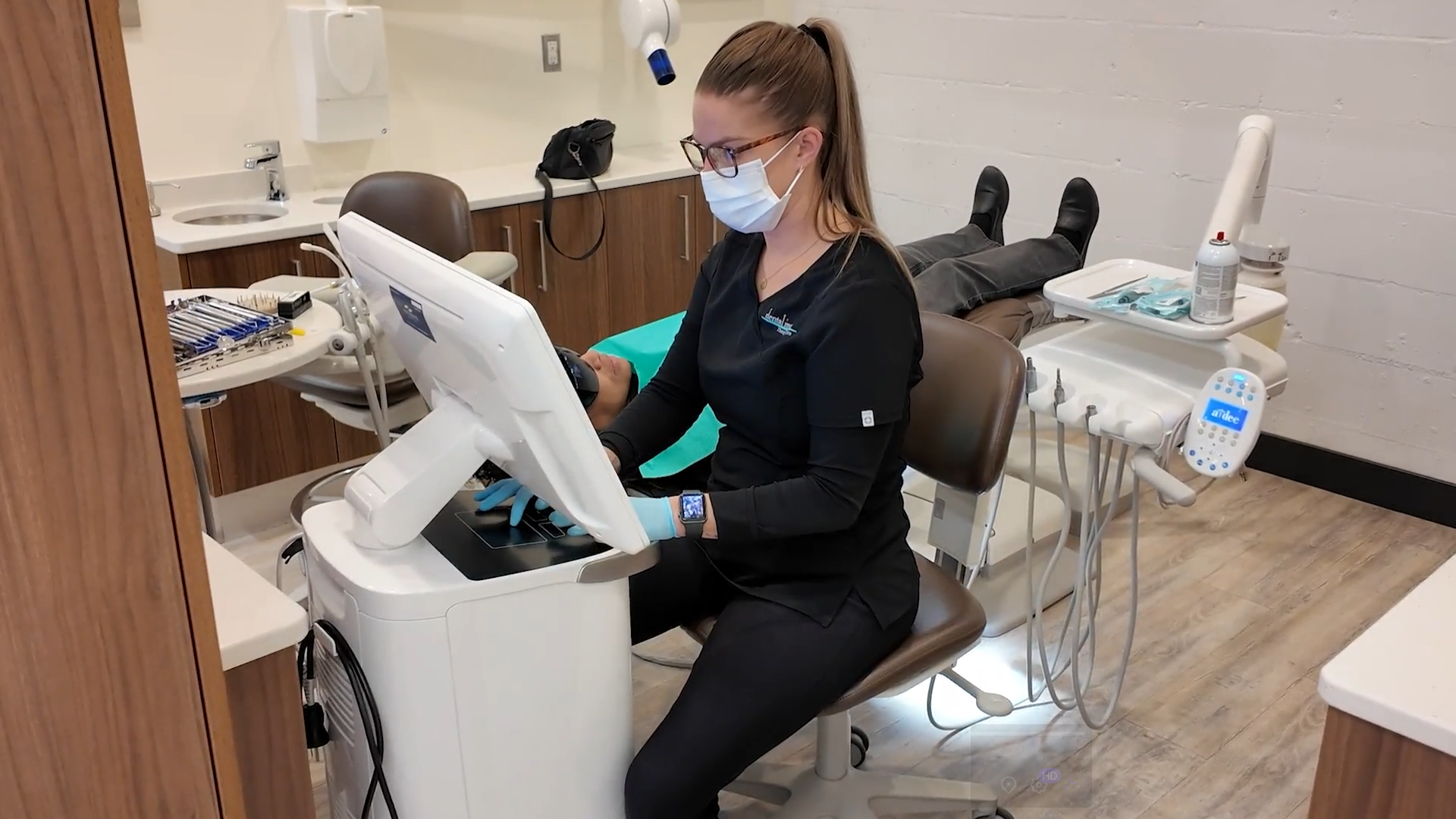
Solea Laser technology is one of the ways Dental Image Therapy Centres supports modern, patient-first treatment. Advanced dental technology can help make certain procedures more precise, more comfortable, and more efficient, while also improving the overall patient experience.
What the Process Looks Like
1. Starts with an assessment
We begin by understanding your concerns, symptoms, health history, and goals. Our team will usually address this during your routine checkups or in an exam, but if there are any rising concerns please do let us know.
2. Look at the bigger picture
We evaluate the role of airway, oral habits, muscle patterns, and function as part of a more complete view of care.
3. Build a personalized plan
If root cause factors appear relevant, we explain what we see and recommend the next steps that make the most sense for you or your child.
4. Support long-term health
Our goal is not just to respond to symptoms, but to help support healthier patterns and more informed care over time.
Frequently Asked Questions
-
Root Cause Health means looking beyond visible symptoms to understand what may be contributing underneath. This can include airway, myofunctional patterns, and the way the mouth and jaw function together.
-
Airway-focused care looks at how breathing patterns and airway-related factors may connect to oral development, comfort, and function.
-
Myofunctional support focuses on the muscles and habits of the mouth and face, including tongue posture, swallowing, and oral posture.
-
The way the teeth, bite, jaws, and muscles work together can affect comfort, wear, stability, and overall oral health over time.
-
No. While growth and development are an important part of root cause care, adults can also benefit from a more complete look at airway, function, and oral habits.
-
If you have concerns that seem ongoing, unclear, or connected to breathing, oral posture, jaw function, or bite patterns, an assessment may be a helpful next step.